
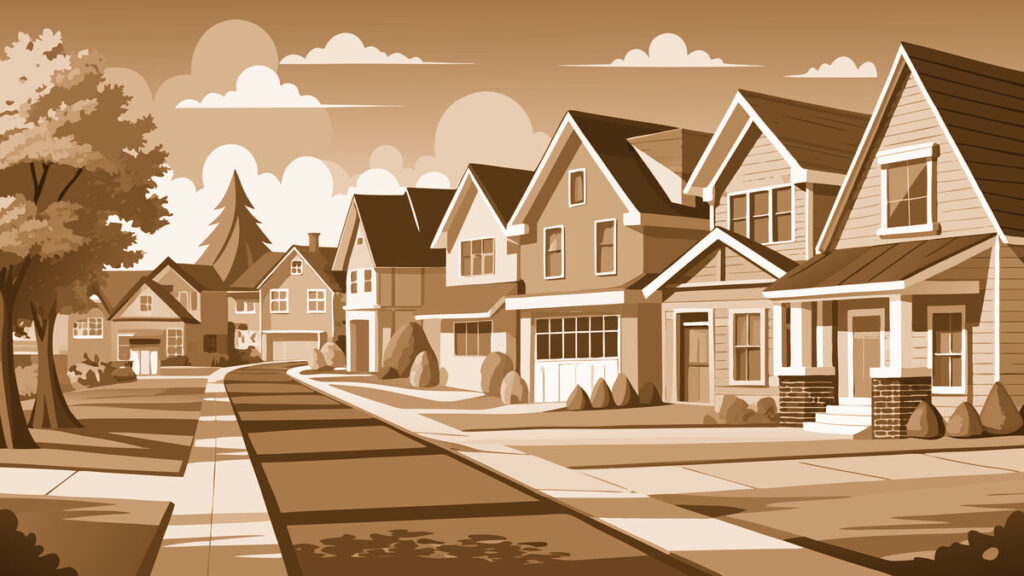
Nestled gently into the picturesque landscape of Devon, PA, the Castlehill neighborhood is a living tapestry of history, character, and community spirit. With leafy streets that echo with tales from centuries past and striking homes that serve as sentinels of heritage, Castlehill is more than just a neighborhood—it is a testament to the enduring charm and resilience of Devon's local identity.
The Origins of Castlehill
Castlehill’s origins trace back to the late 19th and early 20th centuries, a period when the railroad and suburban dreams converged to make Devon a sought-after retreat from Philadelphia’s urban bustle. While Devon itself has roots stretching to the earliest Welsh Quaker settlements, Castlehill’s story begins with the vision of landowners who sought to create a residential enclave reflective of English countryside manors and communal grace.
The name “Castlehill” is a loving nod to both the gently sloping terrain that defines the neighborhood and to the picturesque stonework and castle-like flourishes present in some of its earliest homes. Oral history passed down through generations suggests that the founders, inspired by the rolling green hills and stately homes of their British ancestry, felt the name encapsulated both the neighborhood’s physical beauty and aspirational ideals.
Key Historical Milestones
- Early 1900s Development: Castlehill’s development is closely tied to the rise of the Pennsylvania Railroad’s Main Line, which brought affluent families seeking tranquility and prestige. The first lots along Castlehill Lane and the surrounding roads—like Devon Boulevard and Hillcrest Road—were plotted and sold as ideal sites for spacious homes set amongst old-growth trees.
- Postwar Prosperity: In the wake of World War II, Castlehill saw a surge of new families and the addition of mid-century homes interspersed harmoniously with older stone residences. This era also marked a shift from grand estates to more accessible, community-focused living.
- Preservation Efforts: The late 20th and early 21st centuries saw a renewed sense of pride and stewardship among residents. Homeowners on streets like Pinecroft Road and Castlehill Lane have actively engaged in preservation and beautification initiatives, maintaining the neighborhood’s distinctive character.
Notable Landmarks and Buildings
While Castlehill may not boast grand public monuments, its landmarks are cherished for their understated beauty and communal value.
- The Original Castlehill House: Located at the crest of Castlehill Lane, this stately stone home, built around 1910, is instantly recognizable due to its ivy-clad walls and turreted entry. Once the unofficial meeting place for neighborhood gatherings, it stands today as a private residence, lovingly restored and admired by all who pass by.
- Devon Straight Mile: Just to the southwest, the fabled Straight Mile is a reminder of the area’s equestrian past. For decades, horses from nearby stables would parade down this stretch, and it remains a favorite walking route for locals.
- Castlehill Park: Tucked at the northern boundary, this small neighborhood green space is the heart of community activity. From spring picnics to the annual autumn “Castlehill Fest,” the park reflects the neighborhood’s dedication to togetherness and outdoor living.
- Old Devon Schoolhouse: Located adjacent to Castlehill, the preserved Devon Schoolhouse—now a community hall—echoes with the laughter and learning of generations past. Today, it serves as a beloved local heritage site for meetings and historical exhibitions.
The Streets That Tell a Story
A stroll through Castlehill is truly a walk through time. The gently curving Castlehill Lane, lined with stately oaks and maples, reveals homes with distinctive architectural features—arched stone entryways, intricate woodwork, and leaded glass windows—all reminiscent of Devon’s historic aesthetic.
Devon Boulevard, with its broad lawns and perennial gardens, showcases both grand pre-war homes and charming mid-century cottages. Many of these residences bear plaques from the local historical society, indicating their architectural significance and stories of the families who built them.
Pinecroft Road and Hillcrest Road, meanwhile, border Castlehill Park and offer quiet, leafy respite. Several original street lamps, lovingly restored by residents, cast a gentle glow in the evenings, reminiscent of another era.
Evolving with the Times
Castlehill’s evolution is a story of balancing preservation with progress. Through the decades, new families and longtime residents alike have come together to maintain its friendly, inclusive aura. Thoughtful renovations have modernized many homes while respecting historical details—ensuring that Castlehill’s legacy endures for future generations.
Social life in Castlehill remains vibrant. Whether it’s summer block parties, the annual spring clean-up, or holiday luminaria traditions, there is a shared ethos of neighborliness that feels increasingly rare. Local schools, such as Devon Elementary and proximity to the historic Devon Horse Show grounds, contribute to a sense of pride in place and intergenerational connection.
What Makes Castlehill Special
To live in Castlehill is to be woven into the rich fabric of Devon’s heritage. Residents cherish the peace found among century-old trees, the warmth of familiar sidewalks, and the gentle hum of community involvement. Newcomers often remark on the neighborhood’s welcoming spirit and timeless beauty, finding in Castlehill not just a place to live, but a place to belong.
From its origins as a vision of idyllic suburban life to its present-day standing as a haven of history and hospitality, Castlehill continues to embody the best of Devon—where every home tells a story, and every neighbor becomes a friend.